News
[News Article] A Challenge for Sustainable Growth: Korea Instrument Global Probe Card Strategy
Name KI
Date 2025-10-23
Hit 1490
https://www.theworldfolio.com/interviews/A-Challenge-for-Sustainable-Growth-Korea-Instrument-s-Global-Probe-Card-Strategy/7073/
A Challenge for Sustainable Growth: Korea Instrument's Global Probe Card Strategy
Interview - October 21, 2025
Korea Instrument's semiconductor probe cards enhance NAND, DRAM and HBM wafer testing effectiveness, supporting Korea global dominance in memory chips. Today, Korea Instrument uses its long-standing expertise to diversify offerings and advance semiconductor testing.
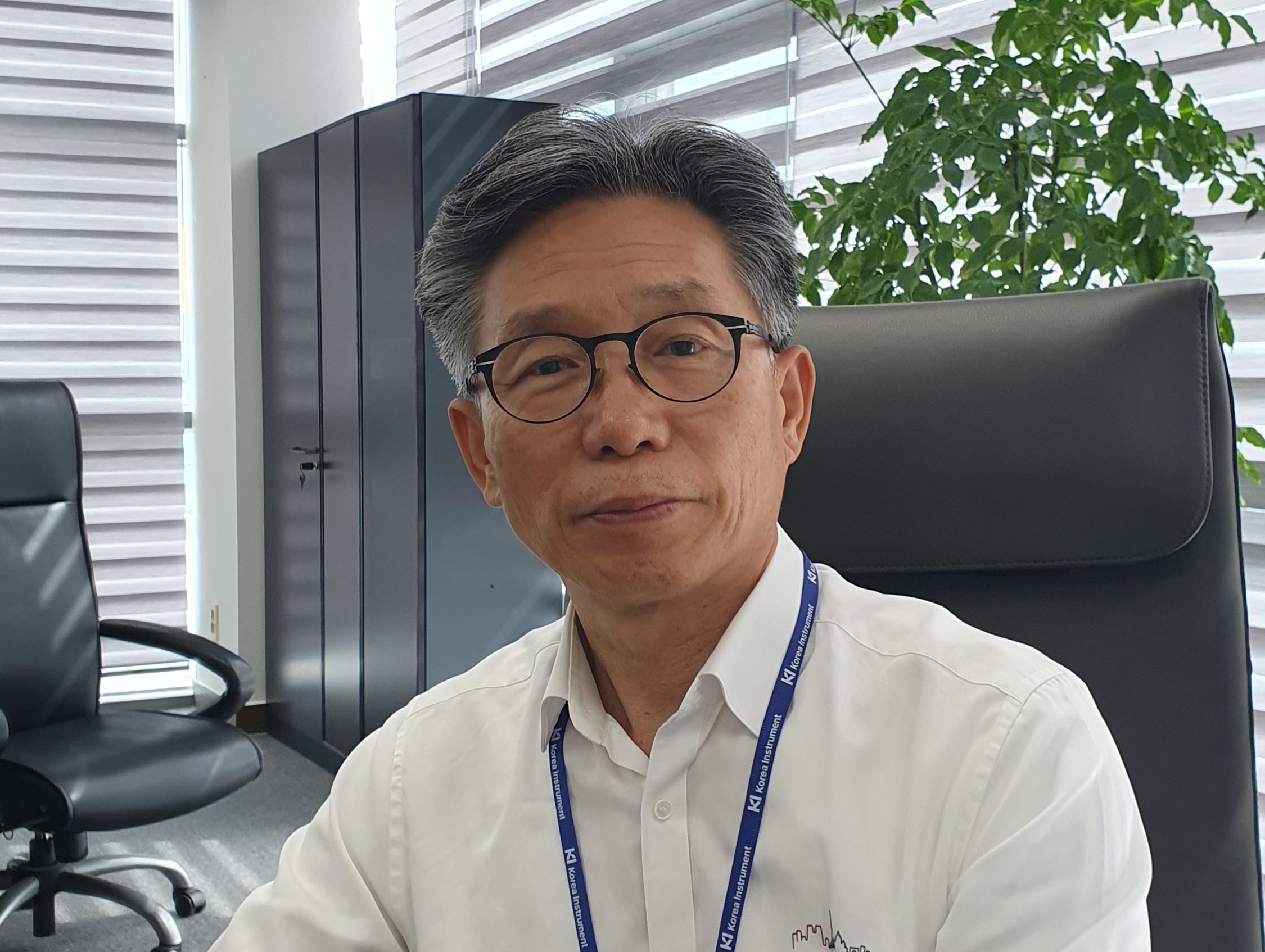
OH SUNG-TAK, CEO OF KOREA INSTRUMENTSHARE


OH SUNG-TAK | CEO OF KOREA INSTRUMENT
Over the years, Korea Instrument has collaborated closely with Korean Chipmaker and OSAT. Given Korea’s industrial structure and growing competitiveness, do you believe now is an opportune moment for the Korean semiconductor ecosystem to diversify its portfolio and expand into more globalized systems?
Yes, but I don't want to say it is an opportune moment. I think this is a challenge that needs to be done for sustainable growth and survival. Major Korean semiconductor companies such as Samsung and SK Hynix have firmly established themselves and achieved remarkable growth. However, for SMEs in Korea, internationalization and diversification are essential for survival and growth. By leveraging our long-standing expertise and partnerships, I think now is the right time to diversify globally and strengthen our competitiveness. This is not just a challenge, but also a window of opportunity for us to expand into new international markets.
In that context, what opportunities do you foresee for Korea Instrument, particularly in areas like probe cards, which are crucial for semiconductor testing?
Our primary business revolves around probe cards, which are indispensable in semiconductor manufacturing. Demand for these products will continue to grow. For example, as High Bandwidth Memory (HBM) adoption expands, the demand for probe cards will rise accordingly. We project steady growth in this segment through at least 2030, roughly a decade of sustained expansion.
To prepare for the long-term growth of the memory market driven by AI trends, we have initiated development work on DRAM-related products, and earlier this year, Samsung approved our new probe card for both DRAM and HBM as well. Collectively, these developments point to significant opportunities in the coming years.
At present, only a few global and Korean companies supply probe cards for HBM. This scarcity means growth potential is substantial. By 2030, we expect to see industry-wide growth rates of up to 10%. We intend to seize this opportunity by broadening our product portfolio, supplying DRAM and HBM probe cards to Samsung this year, high-end DRAM and HBM probe cards next year, and gradually expanding into even more advanced solutions.

Korea Instrument's Headquarter
Beyond memory, you also mentioned the potential in LSI (Large-Scale Integration) markets. How does Korea Instrument intend to participate?
The total probe card market size is estimated between $2.5B and $3B. Within this, the Logic market is estimated at $1.2B to $1.5B, similar to the Memory market, and is expected to grow by more than 7% annually through 2030, driven primarily by AI and automotive applications.
Until now, we have been supplying Logic products to Samsung in the SoC and CIS sectors, as well as to OSAT companies in the Cantilever and DDI (Display Driver IC) segments, but we have faced limitations in expanding our market share. As a result, based on technology verified at Samsung LSI, we have developed probe pins with differential characteristics, such as long lifespan and high current-carrying capacity (CCC), to actively participate in the emerging VPC global market.
In addition, to expand our reach to global Fabless, Foundry, and OSAT customers, we plan to conduct overseas marketing activities aimed at establishing international customer service bases and sales networks.
Could you clarify the differences between logic chips and NAND memory, particularly in terms of challenges for probe card suppliers?
In general, logic and NAND memory chips require the development of probe cards with ultra-fine pitches and extreme precision to keep pace with technological evolution, which optimizes yields in the testing process, reduces overall test costs, shortens the time-to-market for advanced chips, and enables high integration. A specific technical challenge common to probe cards is maintaining current-carrying capacity (CCC) and mechanical durability as the pins become thinner.
The differences between logic chips and NAND memory chips in terms of probe card technology are as follows. Memory chip probe cards face the technical challenge of performing full-wafer contact tests with an increased number of DUTs (Devices Under Test) per wafer, requiring high parallelism through probe pins that satisfy both fine pitch and high precision.
On the other hand, logic chips, such as APs and CPUs, have much higher IO integration than memory chips relative to the number of channels available between probe cards and testers. Therefore, it is not feasible to increase the DUT count at the wafer test stage to the same level as memory probe cards.
Because a low DUT count requires multiple shots per wafer for inspection, the durability and precision of the probe pins must be further enhanced. Vertical-type probe pins are applied to handle finer pitches than those used in memory chips. Through the design of MEMS probe pins and the development of new materials, we have expanded business opportunities by demonstrating our technological capabilities in addressing these challenges. KI's Long Life, High CCC VPC products, which I mentioned earlier, are expected to perform well in the market, as they effectively address these technical challenges.
With AI, 5G, IoT, and automotive sectors driving semiconductor demand, how do you assess long- and short-term growth opportunities across these fields?
Artificial Intelligence is undoubtedly the strongest growth driver. As AI workloads expand, demand in the server and data center markets will increase dramatically. In contrast, the mobile phone sector faces limitations unless new breakthrough technologies emerge.
From a mid- to long-term perspective, I believe servers and data centers will be the most dynamic growth segments. These applications require cutting-edge semiconductors produced at 2nm and below, often with complex 3D architectures. This creates both economic and technical challenges for testing. As requirements become more exacting, probe cards must evolve to match.
At Korea Instrument, we are already preparing next-generation probe cards capable of supporting these fine processes, including DDR5 for servers and LPDDR for mobile applications. By the end of this year, we aim to deliver DRAM probe cards to customers, and from next year, expand into HBM.
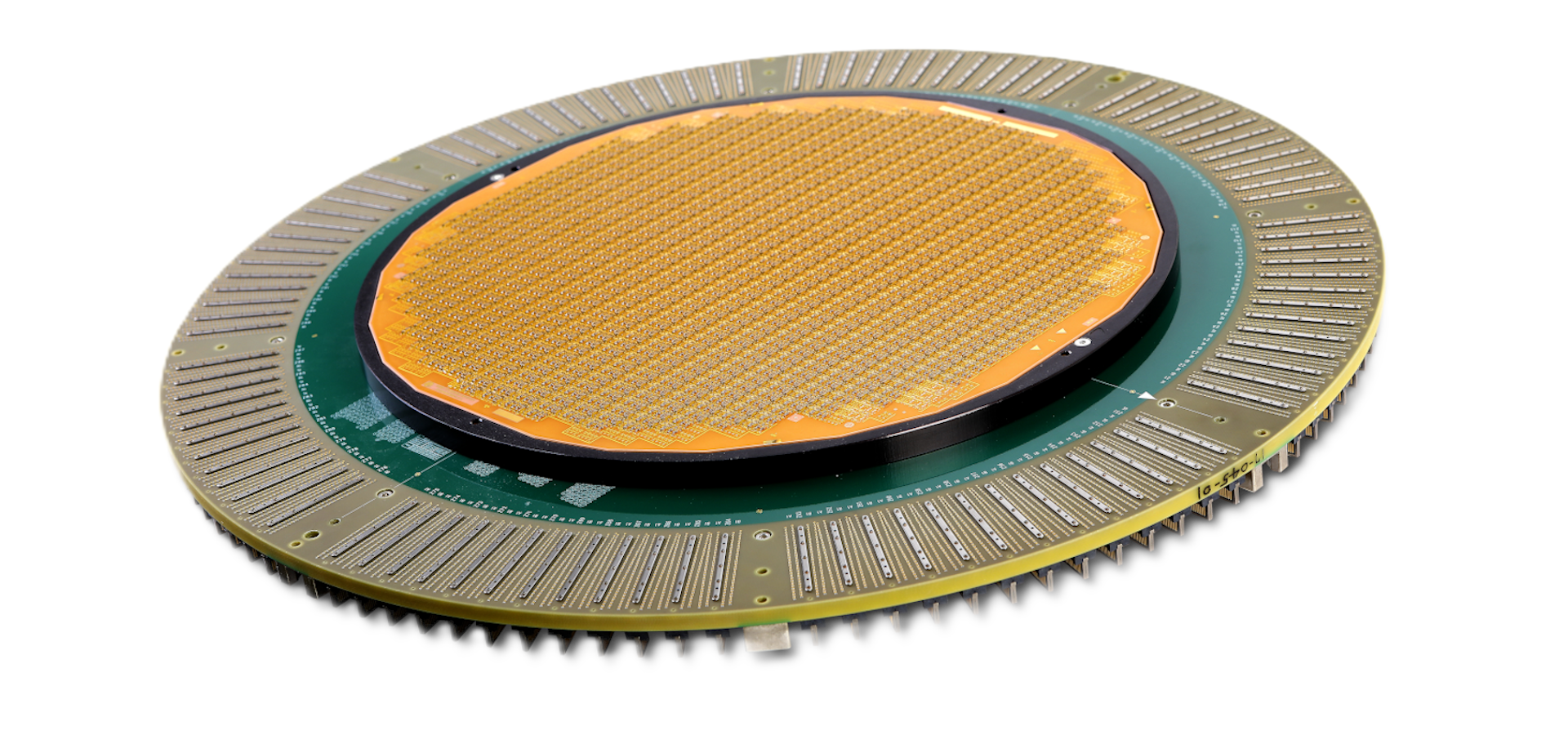
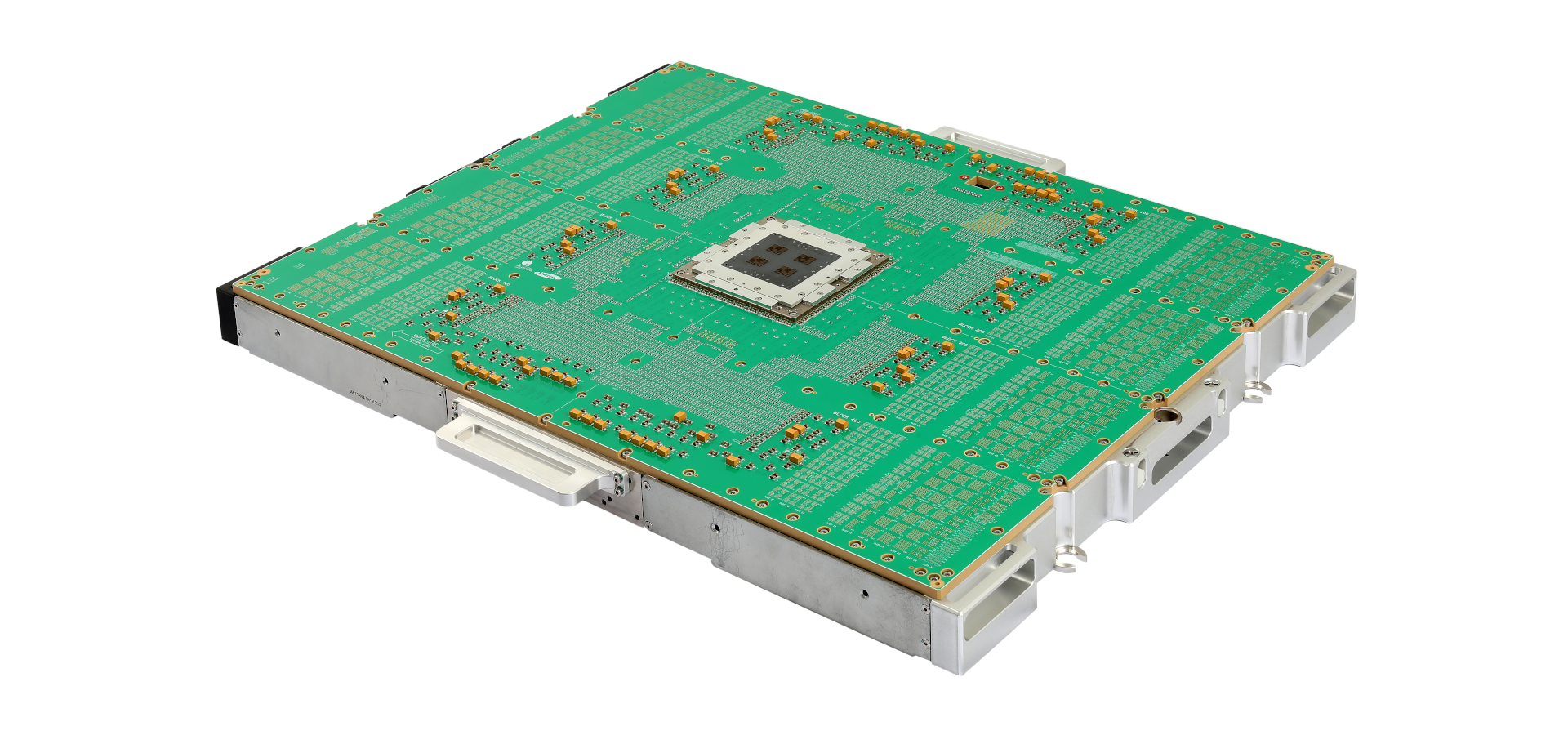
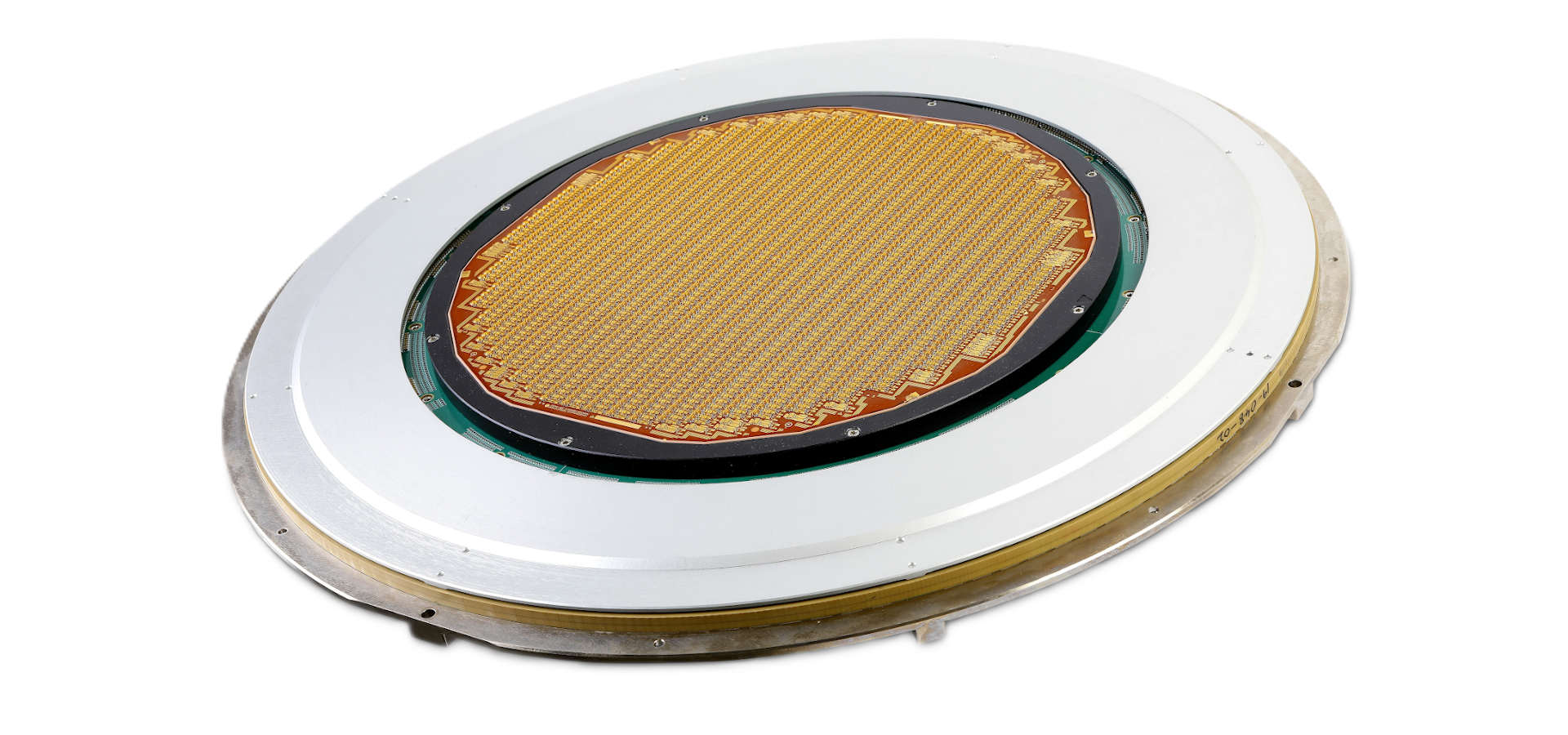 DRAM and HBM MEMS Probe Cards
PreviousNext
Korea Instrument has been a long-standing partner of Samsung. What differentiates your company from competitors in probe card manufacturing?
Our biggest strength is our end-to-end integration. From the initial design stage through simulation, production, fabrication, and final assembly, we manage the entire process internally. This allows us to respond quickly and precisely to customer’s requirements.
We also develop customized equipment exclusively for our use, ensuring we maintain technical independence and efficiency. Our simulation and electrical design capabilities, particularly in signal integrity and power performance, give us a one-to-two-year competitive lead over peers.
Ultimately, what sets us apart is our ability to collaborate closely with clients from conception to delivery, providing consistency, speed, and tailored solutions that others struggle to match.
How does Korea Instrument approach collaboration with global equipment suppliers across Japan or the U.S.?
Collaboration is essential. In bonding equipment, technologies like fine pitch movement, laser power, and precision control must be integrated with probe card design. Without close cooperation, equipment cannot deliver full performance.
From a perspective of test performance verification, currently, we are co-developing high-speed probe cards with one of global test maker, particularly for logic chip test. This kind of joint development is a model we intend to expand, not only with this company but also with other Japanese and American partners when opportunities arise.
In memory, collaboration tends to be more predetermined with Samsung. But in LSI, because requirements are more specialized, joint development with equipment makers is both possible and necessary.
Finally, what is your long-term vision for Korea Instrument?
My vision is for Korea Instrument to become a truly global player in the probe card market. Within the next three to five years, we aim to move beyond our domestic leadership position and establish ourselves as a top-tier supplier in the global probe card market.
We are already making progress: this year we entered DRAM and HBM supply, and in parallel we are preparing for expansion into the LSI sector, particularly in Taiwan and China. DRAM and LSI together will significantly expand our market share.
Diversifying across both memory and LSI not only spreads risk but also strengthens our resilience. I believe this dual strategy is the right approach to ensure stability and long-term growth. Korea Instrument has the history, the technical foundation, and now the strategic ambition to play a central role in the global semiconductor ecosystem.
For more details, explore their website at https://www.kicl.co.kr/
개인정보처리방침
㈜ 코리아 인스트루먼트(이하 “회사”)는 정보주체의 개인정보를 보호하고 이와 관련된 고충을 신속하고 원활하게 처리하기 위해 「개인정보 보호법」 제30조에 따라 다음과 같이 개인정보 처리 지침을 수립·공개합니다.
제1조 개인정보의 처리 목적
"회사"는 다음의 목적을 위해 개인정보를 처리합니다. 처리하고 있는 개인정보는 다음의 목적 이외의 용도로는 이용되지 않으며, 이용 목적이 변경될 시에는 「개인정보 보호법」 제18조에 따라 별도의 동의를 받는 등 필요한 조치를 이행할 예정입니다.
가. '문의하기'에 대한 문의 및 답변
고객 문의, 투자 문의, 인재 채용 문의 등에 대한 개인정보 처리 목적으로 개인정보를 처리합니다.
제2조 처리하는 개인정보 항목
'회사'는 서비스 제공을 위해 필요한 최소한의 범위 내에서 개인정보를 수집 및 이용합니다.
가. 정보주체의 동의 없이 처리되는 개인정보 항목
인터넷 서비스 이용 과정에서 다음과 같은 개인정보 항목이 자동으로 생성되어 수집될 수 있습니다.
- IP 주소, 쿠키(cookie), MAC 주소, 서비스 이용 기록, 방문 기록, 불량 이용 기록 등
나. 정보주체의 동의를 받아 처리되는 개인정보 항목
"회사"는 「개인정보 보호법」 제15조 제1항 제1호 및 제22조 제1항 제7호에 따라 정보주체의 동의를 받아 다음과 같은 개인정보 항목을 처리합니다.
- 고객 지원 문의 : 수집 항목: 이름, 이메일, 연락처
제3조 개인정보의 처리 및 보유 기간
'회사'는 법령에 따른 개인정보 보유·이용 기간 또는 정보주체로부터 개인정보를 수집 시에 동의 받은 개인정보 보유·이용 기간 내에서 개인정보를 처리 및 보유합니다.
각각의 개인정보 처리 및 보유 기간은 다음과 같습니다.
고객 지원 문의: 영구 (삭제 요청 시 즉시 삭제)
다만, 다음의 사유에 해당하는 경우에는 해당 사유 종료 시까지 보관합니다.
관련 법령 위반에 따른 조사·수사가 진행 중인 경우: 해당 조사·수사 종료 시까지
웹사이트 이용에 따른 채권·채무 관계가 잔존하는 경우: 해당 채권·채무 관계 정산 시까지
제4조 개인정보의 파기 절차 및 방법
개인정보는 보유 기간의 경과, 처리 목적 달성 등 개인정보가 불필요하게 되었을 때에는 지체 없이 해당 개인정보를 파기합니다.
정보주체로부터 동의 받은 개인정보 보유 기간이 경과하거나 처리 목적이 달성되었음에도 불구하고 다른 법령에 따라 개인정보를 계속 보존하여야 하는 경우에는, 해당 개인정보(또는 개인정보 파일)를 별도의 데이터베이스(DB)로 옮기거나 보관 장소를 달리하여 보존합니다.
개인정보 파기의 절차 및 방법은 다음과 같습니다.
파기 절차
'회사'는 파기하여야 하는 개인정보(또는 개인정보 파일)에 대해 개인정보 파기 계획을 수립하여 파기합니다. '회사'는 파기 사유가 발생한 개인정보(또는 개인정보 파일)를 선정하고, '회사'의 개인정보 보호책임자의 승인을 받아 개인정보(또는 개인정보 파일)를 파기합니다.
파기 방법
'회사'는 전자적 파일 형태로 기록·저장된 개인정보는 기록을 재생할 수 없도록 로우레벨 포맷(Low Level Format) 등의 방법을 이용하여 파기하며, 종이 문서에 기록·저장된 개인정보는 분쇄기로 분쇄하거나 소각하여 파기합니다.
제5조 개인정보 안전성 확보 조치
'회사'는 개인정보의 안전성 확보를 위해 다음과 같은 조치를 취하고 있습니다.
관리적 조치: 내부 관리 계획의 수립 및 시행, 정기적인 직원 교육
기술적 조치: 개인정보처리시스템 등의 접근 권한 관리, 접근 통제 시스템 설치, 보안 프로그램 설치 및 갱신
제6조 자동 개인정보 수집 장치의 설치·운영 및 거부에 관한 사항
< 자동 개인정보 수집 장치 설치 및 운영 > "회사"는 이용자에게 개별적인 맞춤형 서비스를 제공하기 위해 이용 정보를 저장하고 수시로 불러오는 '쿠키(cookie)'를 사용합니다.
쿠키는 웹사이트를 운영하는 데 이용되는 서버(http)가 이용자의 컴퓨터 브라우저에게 보내는 소량의 정보이며, 이용자 PC 컴퓨터의 하드 디스크에 저장되기도 합니다.
정보주체는 웹 브라우저 옵션 설정을 통해 쿠키 허용, 차단 등의 설정을 할 수 있습니다. 다만, 쿠키 저장을 거부할 경우 맞춤형 서비스 이용에 어려움이 있을 수 있습니다.
웹 브라우저에서 쿠키 허용/차단 설정
- Chrome: 웹 브라우저 설정 > 개인 정보 보호 및 보안 > 인터넷 사용 기록 삭제
- Edge: 웹 브라우저 설정 > 쿠키 및 사이트 권한 > 쿠키 및 사이트 데이터 관리 및 삭제
모바일 브라우저에서 쿠키 허용/차단 설정
- Chrome: 모바일 브라우저 설정 > 개인 정보 보호 및 보안 > 인터넷 사용 기록 삭제
- Safari: 모바일 기기 설정 > Safari > 고급 > 모든 쿠키 차단
- Samsung Internet: 모바일 브라우저 설정 > 인터넷 사용 기록 > 인터넷 사용 기록 삭제
제7조 개인정보 보호책임자
'회사'는 개인정보 처리에 관한 업무를 총괄해서 책임지고, 개인정보 처리와 관련한 정보주체의 불만 처리 및 피해 구제 등을 위하여 아래와 같이 개인정보 보호책임자를 지정하고 있습니다.
▶ 개인정보 보호 담당 부서
부서명: 인사팀 (HR Team)
연락처: +82-31-375-5900
이메일: ki.hr@kicl.co.kr
정보주체는 '회사'의 서비스(또는 사업)를 이용하면서 발생한 모든 개인정보 보호 관련 문의, 불만 처리, 피해 구제 등에 관한 사항을 개인정보 보호책임자 및 담당 부서로 문의할 수 있습니다. '회사'는 정보주체의 문의에 대해 지체 없이 답변 및 처리할 것입니다.
제8조 개인정보 처리방침 변경
이 개인정보 처리방침은 2025년 09월 01일부터 적용됩니다.